
Third on the row in this year’s ”Translators Around The World” blog series!
My name is Sabine Holz. I’m from Germany and have been living in Valencia, on Spain’s Mediterranean coast, for over 20 years. I mainly work in marketing translation and transcreation from English, Spanish and Catalan into German. My clients are mostly airlines, fashion and cosmetics brands, food and wine companies, as well as museums, cultural institutions and tourism boards. One area I particularly enjoy is translating dramatised audio guides.
In recent years, I have also worked on a growing number of non-fiction book translation and editing projects for different publishing houses: books on design and architecture, as well as cookbooks and some children’s books. I find it absolutely fascinating to be involved in the whole process, from the first drafts to the final review of the page proofs just before going to print.
So, how did I get into translation? Well, it was not a straightforward decision at all; in fact, it was rather spontaneous. After school, I was torn between all sorts of options, from industrial design and medicine to something language-related. In the end, I decided to study translation, with English and French as my languages. But on my very first day at university, I found out that there was also an intensive preparatory semester for complete beginners in Spanish. So I changed my plans on the spot and thought: “Why not learn something completely new?” That is how I ended up studying English and Spanish. Several internships at translation agencies in Spain eventually led me to move here shortly after graduating, and I went straight into self-employment.
I really appreciate the freedom that comes with being a freelancer, and I think it suits my personality very well. No two working days are exactly the same, which is something I genuinely enjoy. I’m not a big fan of strict routines, so rather than following a fixed schedule, I like being able to organise my work, leisure activities and social life around my projects.
That flexibility is especially important for creative projects that require a lot of thinking and brainstorming. On these days, I need even more breaks to clear my head and make room for fresh ideas. I might go out for a walk while listening to a podcast, meet a friend for coffee or use the time to do some exercise, which also helps to balance out the many hours spent sitting at my desk.
I’m very grateful to be part of a large international community of translators from all over the world, through MET (Mediterranean Editors and Translators) association, the BP Translation Conferences as well as different Facebook groups. These communities are wonderful for exchanging knowledge, staying in touch, building collaborations, finding moral support and making wonderful friends along the way.
In addition, I often attend events here in Valencia organised by the tourism sector, and I rely a great deal on my contacts with voice actors and people working in audiovisual production. This is incredibly helpful when I’m working on audio guides and similar projects.
When I’m not working, first and foremost, I love being in nature, whether that’s in the forest or by the sea, on the beach, in the water or on the water. I love canyoning, hiking, scuba diving and trying out new sports and activities. I also love travelling and discovering new countries and cultures, especially through their food culture.
Regarding AI, I am quite concerned about the way many clients and companies are increasingly trying to involve it in translation processes without fully understanding the risks. In my own work, I try to inform and gently educate clients about the lack of nuance, the often inadequate quality, the absence of real cultural sensitivity and, above all, the fact that genuine creativity cannot simply be automated.
What worries me most is that more and more companies seem willing to accept lower-quality language these days simply because it is faster or cheaper. I find that quite alarming, because poor translation can weaken a brand, damage trust and make a company sound careless or generic.
So, wherever I can, I try to advocate for the value of human translation. As translators, we bring judgement, creativity, cultural knowledge, tone of voice and a real sense of responsibility to the text. And I believe that this human element will remain essential if companies want to communicate well.
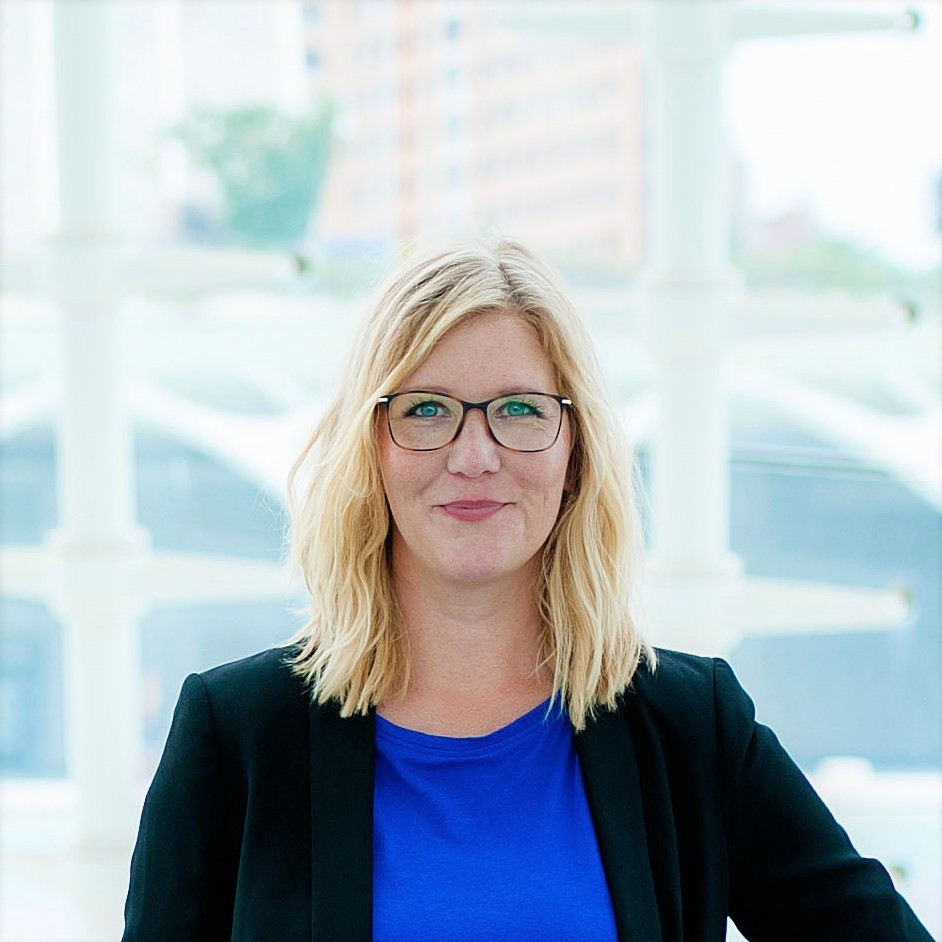
Sabine Holz
Translator
The German-born freelancer Sabine Holz translates from Spanish, English, and Catalan into her mother tongue. She appreciates the flexibility of self-employment and enjoys all kinds of outdoor activities when not working.
Internet: Traductivity